Introduction
Classic literature has been a cornerstone in shaping minds for generations. Many of these timeless works contain powerful stories, rich language, and universal lessons that continue to resonate with readers today. When it comes to young readers, classic books offer a wealth of benefits that go far beyond entertainment. Here are the top five reasons why classic books are perfect for young readers.
1. Enhanced Vocabulary Development
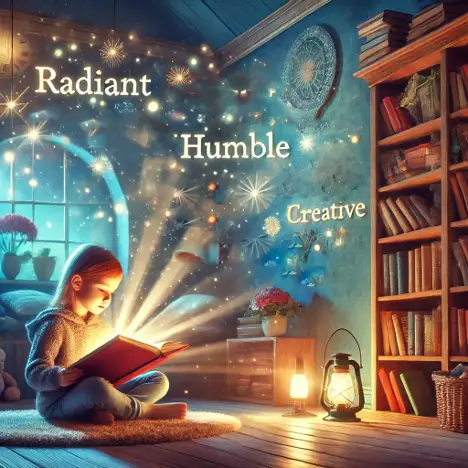
Classics often feature complex language that challenges young readers to expand their vocabulary. Exposure to older or more sophisticated words helps children develop a broader and deeper understanding of the English language, which is crucial for their academic growth.
- Rich Language: Classic books tend to use language in creative and unique ways, exposing children to words they may not encounter in modern texts.
- Contextual Learning: By reading words in context, children can naturally learn new vocabulary without needing formal instruction.
For example, Charlotte’s Web by E.B. White introduces words like “radiant” and “humble,” encouraging readers to understand and use such terms in their own language.
2. Stimulates Imagination
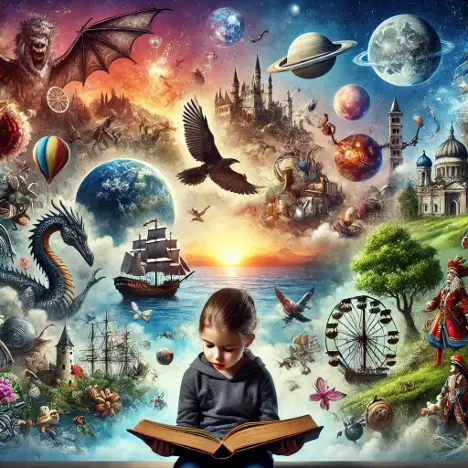
Classic books transport young readers to different times, places, and worlds. These rich settings and plots stimulate imagination, helping children envision scenarios far beyond their everyday experiences.
- Diverse Settings and Characters: From the English countryside in The Secret Garden by Frances Hodgson Burnett to the fantastical world of The Time Machine by H.G. Wells, classic books take young minds on extraordinary journeys.
- Encourages Creativity: By imagining new worlds, children learn to think outside the box and develop their creative problem-solving skills.
For example, in Peter Pan by J.M. Barrie, readers are taken to Neverland, sparking excitement and inspiration in young readers as they explore a magical place filled with adventure.
3. Promotes Critical Thinking
Many classic stories revolve around themes that encourage young readers to think critically. Whether through pondering moral dilemmas or analyzing characters’ decisions, classic books lay the foundation for higher-order thinking skills.
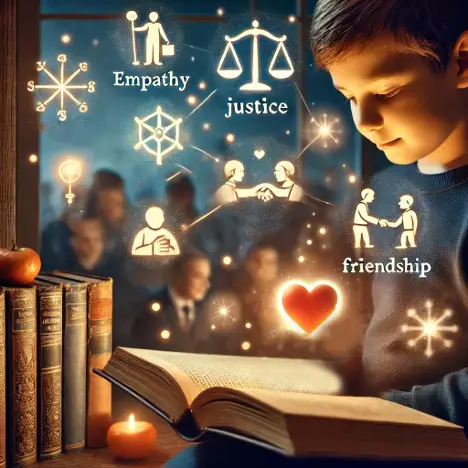
- Complex Themes: Classics often involve themes like justice, good versus evil, or societal challenges, which help children start questioning and thinking about the world around them.
- Character Analysis: Young readers can delve into character motivations and actions, fostering analytical skills that are essential for academic and personal growth.
For example, To Kill a Mockingbird by Harper Lee introduces important questions about justice, equality, and empathy, providing a springboard for discussions on these weighty topics.

4. Teaches Moral Lessons
Many classic books carry universal moral lessons that help shape young readers’ understanding of ethics, empathy, and compassion. These stories often portray characters who grapple with choices and consequences, making it easier for children to relate and learn.
- Timeless Values: Books like Little Women by Louisa May Alcott teach children the importance of family, sacrifice, and generosity.
- Empathy Development: By seeing the world through different characters’ eyes, children can grow more empathetic and learn to treat others with kindness and respect.
For example, The Adventures of Huckleberry Finn by Mark Twain encourages readers to explore themes of friendship, loyalty, and moral courage as Huck and Jim embark on their journey.
5. Builds a Sense of Historical and Cultural Understanding
Classic literature is often reflective of the time periods in which it was written, providing young readers with insights into historical events, societal norms, and cultural values. This not only broadens their knowledge but also gives them a better understanding of the past.
- Cultural Appreciation: Reading classics exposes children to different cultures and ways of life, broadening their worldviews.
- Historical Context: By reading about past societies, young readers learn to connect historical events with the present, deepening their understanding of history.
For example, The Chronicles of Narnia by C.S. Lewis reflects post-World War II themes and religious symbolism, subtly introducing young readers to historical and philosophical concepts.

Conclusion
Classic books are a treasure trove of learning opportunities for young readers. They go beyond mere stories, offering a rich blend of vocabulary development, imaginative worlds, critical thinking challenges, moral lessons, and cultural insights. Introducing children to classic literature not only enriches their reading experience but also equips them with essential tools for personal and academic growth.