An abridged book is a shorter version of a longer work that allows readers to experience the essence of a story in a condensed format. These shortened versions of the world’s most beloved books get an undeserved bad rap, in our opinion, and in fact offer many advantages for young readers (and adults!). Let’s explore the sometimes hidden value of abridged books.
Abridged Books Can Help Where Children Lack Life Experience

When you lack life experience, as children obviously do, it’s sometimes impossible to grasp and appreciate any of the subtleties of character development. The deep dives many classics take into the psychological and philosophical nature of the human experience are all but lost on the young reader.
A kid doesn’t need to understand what drives an adult to risk everything for the reckless pursuit of mining for gold to appreciate the excitement of Buck’s adventures in The Call of the Wild. A child doesn’t need a firm grasp on how the political and societal landscape of 19th century Britain could lead to the abuse of horses to be able to relate to the trials and tribulations of the horse called Black Beauty.

Children, like adults, understand books within the context of their own life experiences, and abridged classics pique children’s interest in characters and plot twists while not weighing them down with the complexity of dense psychology and ruminations on society.
Increases Reading Comprehension and New Vocabulary Acquisition
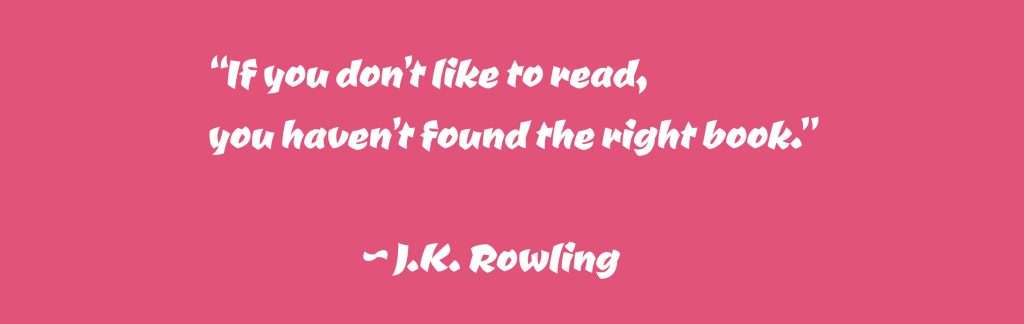
Most parents will agree that reading is a good thing, period. Abridged versions of popular stories can serve as a great introduction to the world of reading for children and can lead to a life-long love of reading. These versions cater to the attention span and reading abilities of young readers by offering a condensed and simplified narrative. This sparks their interest and encourages further exploration of reading in general and of classic books specifically.
And publishers that carefully retain the voice and beauty of the original work, as we have with our collection of abridged classics, provide young readers with more than just an excellent reading experience and a chance to become a life-long reader. Abridged books give children the opportunity to better comprehend the original, unabridged version later in life and to understand the often complex and unfamiliar vocabulary found in most classics.
Abridged Books Level the Playing Field for Struggling Readings
According to Vanderbilt Peabody College, approximately 40% of students across the nation cannot read at a basic level, almost half the students living in urban areas cannot read at a basic level, and almost 70% of low-income fourth-grade students cannot read at a basic level. Reading an abridged version can help tremendously in leveling the playing field for a struggling young reader.
These versions designed with beginning readers in mind, complete with rephrased, shorter sentences and synonyms for large words, allow readers coping with dyslexia and other reading roadblocks an opportunity to experience the world’s great classics.
It’s Better to Read Abridged Books Than Never to Read Classics at All
Abridged books can serve as a great tool to introduce classic literature or popular fiction to new readers. Classic works of literature can be intimidating to many readers due to their length and complexity. Abridged versions of literary works can be helpful in introducing readers to the story by providing a condensed version. This can assist novice readers in comprehending the story and its themes without becoming inundated.
In some cases, having this initial exposure to the classics is the one and only time a reader experiences these great books—but which is better? Is it more desirable to have never read the classics at all because they seem somehow out of reach? Or is it better to have some knowledge of these great stories through abridged versions, have your horizons expanded a bit, and be all the better for it?
Reading Abridged Books Often Leads to Interest in The Full, Unabridged Version Later in Life

In many cases, young readers are simply unaware of the classics, or they think of them as works of literature with a capital “L” that somehow belong to a different generation or are meant for other people. Abridged books can be a gateway of sorts, a marvelous way to bring awareness of great books from a time long ago to a child otherwise mired in Netflix (we do love Stranger Things, don’t get us wrong!) and Super Mario.
And with the right version of a given classic, a version that stays true to the original intention of the writer, to their voice and style, young readers will have a better understanding and appreciation of the unabridged version when they encounter it later in life. We will even go so far as to say adults will seek out those unabridged versions of classics after having fallen in love with the abridged versions as a child. “Hey, I remember that book as a kid,” they’ll think. “Wonder what the original might be like? I’ll give it a try.”
Abridged Books Allow Access to Books Written in an Old Fashioned and Unfamiliar Style
Many classics are written in the style of the time—long, dense paragraphs full of exceedingly long and complex sentences. And while reading classics can be an excellent exercise in vocabulary building, for young readers, picking up new vocabulary words while navigating dense text can be like catching butterflies with a spoon while hacking their way through a jungle. Better to go out in a flat, mostly empty field to catch those butterflies with a nice big net.
Reading abridged classics allows children to access books from a different era, thereby giving them a head start on the books they’ll certainly come across at some point in school. Think of abridged books as an introduction to the classics rather than the one and only time they ever cross paths with them. The world’s great literature becomes more friendly, more relevant, and more fun for kids with abridged versions, and these versions allow more and more generations to fall in love with these amazing books.
Abridged Books Help Students Who Are Studying Classics Prepare for Exams

Condensed versions of classic literature can prove especially beneficial for older students. Numerous educational institutions incorporate renowned literary masterpieces into their academic programs. However, these literary works may pose difficulties for students in terms of comprehension and readability.
Condensed versions of literary works can aid students in better understanding the story and its underlying themes, ultimately leading to a greater appreciation of the work’s literary merit. They’re also helpful for students who’ve already read the original and who just need a brush up on the main plot points and characters. Certain books may pose a challenge to readers due to their extensive length or intricate nature, and condensed versions can aid in breaking down the plot into more easily digestible segments.
Additionally, research has indicated that abbreviated versions of classics can enhance a students’ ability to remember information. Abridged books aid the brain in processing and retaining knowledge by presenting information in a concise manner. When readers focus on the key elements of a story, they are more likely to retain the information and have a more satisfying reading experience.
Abridged Books Give Children a Window into the Past and Other Cultures
Classic literature spans a wide variety of not only time periods but also cultural experiences from around the globe. Children have a very limited understanding of history given their few years on Earth and few reference points with which to glean a solid understanding of the complexities of the world. With abridged versions of classic books, young readers can more readily step into these otherwise difficult to understand time periods and put together the pieces of the puzzle, so to speak, of the history of the world.
Also, many children have very little experience traveling, especially abroad, and abridged classics can help them begin to expand their horizons beyond just their own community. Even if just on the page, the awareness of groups other than their immediate circle can help children develop empathy and an appreciation of the beautiful diversity of our world.
Non-Native English Speakers Benefit Greatly from Abridged Classics
Abridged versions of classic literature can be beneficial for non-native English speaking students. Even native English speakers can find classic works of literature challenging to read. Abridged versions can be helpful for non-native English speakers to comprehend the story’s themes and ideas without struggling with intricate language or syntax. And just like with young readers, abridged versions afford non-native English speakers exposure to classic works in the original English, where such an experience is impossible with original, unabridged versions.
Most classic books use a lot of figurative language and words not often seen in modern writing like “magnificent potentate” and “wretched pilferer.” Reading the abridged version of a classic tale allows the reader to experience the story more easily by replacing those confounding “long” words with more commonly used synonyms. Many readers of classics, including non-native English speakers, will have a dictionary close by in order to tackle hard to understand vocabulary, but abridged books do that work for you upfront.
Abridged Books Are an Amazing Classroom Resource for Teachers
Abridged books are an invaluable resource in the classroom. Bypassing various aspects that make classics difficult to read, abridged books allow young readers to more easily enjoy the magic and adventure of the classics, understand basic storylines, and really sink their teeth into the action of the novels.
Classic books can give students a feel for major events and historical figures while learning about different time periods. Teachers can pair specific books with the study of an event or time period: The Red Badge of Courage with the American Civil War era of the 1800s, for example, or A Christmas Carol with early 19th century London, England. Other examples include pairing up The Iliad and The Odyssey with a study of ancient Greece or The Last of the Mohicans with learning about the French and Indian War.

As we discussed above, abridged novels inspire a love for classic literature. As young readers grow up and tackle the original versions of these books, they’ll be better prepared having become familiar with the basic themes, premises, and characters. Teachers can load their classroom library with both the abridged and unabridged versions of classics, taking advantage of the scaffolding abridged versions provide.
There are many different teaching paradigms to explore with abridged versions of classic books. The teacher could choose them as read-aloud material for the entire school year. Teachers could use abridged versions as whole-class novels or in leveled reading groups for language arts. Classic books could also be assigned by the teacher as the subject of a book report project. Classcraft.com has some great ideas for book report projects that would lend themselves very well to the study of classics through abridged versions.
Conclusion
In conclusion, abridged books offer concise versions of popular stories, which simplify the reading process and aid in comprehension and retention for young readers. Abridged books are a great way to open a child’s eyes to the splendor of the world at large. They offer endless and exciting opportunities for learning in the classroom and for non-native English speakers. And they sow the seeds for children to develop a true love for the great classics of the world.
Introducing Children to the World of Literature with Adapted Classics
Find out how much fun it is to read with your kids by looking through our collection of classic children’s books that have been edited and illustrated just for kids. Our abridged versions of some of the most beloved books of all time are a great way to introduce kids to the world of classic literature authors and will widen your avid reader’s literary horizon. The beautiful illustrations and simple language in these classic books will captivate even the most reluctant readers and will help them develop a love of reading that will last a lifetime. Let’s start building a love of reading!