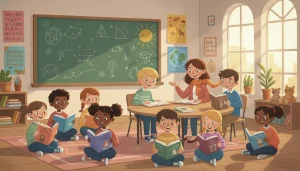
Unlocking the magic of reading for young readers can be as simple as breathing new life into the timeless tales of simplified classics. Picture this: a world where simplified classics combined with vibrant illustrations transform hesitant book-browsers into eager page-turners. By weaving in interactive storytelling and creative reading projects, parents and educators can easily ignite a spark of curiosity in kids aged 8-12. Imagine a classroom or home bubbling with excitement, where reading activities aren’t just chores but adventures waiting to unfold.
Join us on this journey to discover how a supportive reading environment can boost reading enthusiasm and turn today’s reluctant readers into tomorrow’s literature lovers.
Engaging Young Readers with Simplified Classics
Introducing young readers to the world of classic literature can be a daunting task. However, by using simplified classics, we can open doors to engaging stories and timeless lessons. In this section, we’ll explore how abridged literature can capture a child’s interest and set the stage for a lifetime of reading.
The Power of Simplified Classic Literature
Abridged classic literature serves as a gateway for young readers to explore complex narratives without feeling overwhelmed. By shortening and simplifying the text, we maintain the core elements of the story while making it accessible and engaging.
For example, consider how a child might approach a hefty novel like The Call of the Wild. Simplified classics can capture the thrilling adventure and conflict while omitting dense passages. This approach not only keeps the story engaging but also helps children grasp the essential themes and messages.
The benefits of abridged literature include:
- Introduction to complex themes in a digestible format
- Encouragement of independent reading habits
- Building blocks for understanding literary devices

Sparking Interest with Simplified Classics
Simplified classics play a crucial role in sparking interest among young readers. These versions boil down narratives to their most exciting elements, making the story more approachable and enjoyable.
Take Alice’s Adventures in Wonderland as an example. Simplified classics are able to highlight the whimsy and curiosity of a world like Wonderland. The abridged language draws children into its bizarre charm without losing them in complex language.
By focusing on key story arcs and characters, simplified classics:
- Capture children’s attention quickly
- Maintain engagement through action-driven narratives
- Foster a sense of accomplishment in young readers
This process nurtures a deeper interest in reading, paving the way for more advanced literature in the future.
Boosting Reading Enthusiasm with Illustrations
Illustrations are a powerful tool in boosting reading enthusiasm among young readers. They transform the reading experience into a visual journey, making stories come alive in vivid color and detail.
The impact of illustrations includes:
- Enhancing comprehension by providing visual context
- Stimulating imagination through creative artwork
- Bridging the gap between text and visual learners
Consider simplified classics Treasure Island. Illustrations of pirate ships and treasure maps captivate the reader, making the adventure tangible and exciting.
By integrating visuals, we not only make stories more appealing but also encourage young readers to engage with the text actively.

Interactive Storytelling Techniques
Interactive storytelling techniques transform reading from a solitary activity into an engaging, shared experience. By incorporating interaction, we can make stories more memorable and enjoyable for young readers.
Steps to implement interactive storytelling:
- Choose stories with natural breaks for discussion or activities.
- Encourage children to predict story outcomes or create alternate endings.
- Utilize resources like interactive books to inspire energetic readers.
This approach not only enhances engagement but also strengthens comprehension and critical thinking skills. Educators and parents can find creative storytelling tools to enhance these techniques.
Interactive storytelling encourages children to actively participate in reading, making the experience both enjoyable and educational.
Creative Reading Projects for Kids
Creative reading projects offer a hands-on approach to literature, encouraging children to explore stories beyond the text. These projects can be both fun and educational, allowing young readers to express their creativity while deepening their understanding of the story.
- Book dioramas: Create a 3D scene from the story using crafts.
- Character journals: Write diary entries from a character’s perspective.
- Storyboards: Draw comic strips to summarize key events.
These projects pave the way for more immersive learning experiences. They also encourage kids to think critically about the story and its characters, fostering a deeper appreciation for literature.
Check out more creative project ideas at Dinner: A Love Story.

Fun and Engaging Reading Activities
Reading activities can transform ordinary reading sessions into exciting adventures. By incorporating fun elements, we can boost children’s enthusiasm for reading and make it a rewarding experience.
Some effective reading activities include:
- Reading relays: Take turns reading passages aloud.
- Character role-play: Act out scenes from the book.
- Story creation: Write alternate endings or spin-off stories.
These activities not only make reading more enjoyable but also help develop comprehension and critical thinking skills. They provide a platform for children to explore the story creatively, enhancing their connection to the text.
Storytelling Games to Ignite Imagination
Storytelling games are a fantastic way to ignite imagination and engage young readers. These games allow children to become active participants in storytelling, fostering creativity and enhancing their narrative skills.
Examples of storytelling games include:
- Round-robin storytelling: Each participant adds a sentence to the story.
- Story dice: Roll dice with images and create a story based on the results.
- Character charades: Act out characters without speaking, and others guess who they are.
Such games encourage children to think on their feet and weave narratives collaboratively. They also strengthen communication skills and boost confidence in storytelling.
Creating a Supportive Reading Environment
A supportive reading environment can significantly impact a child’s relationship with books. This section explores strategies for creating a space where reading is encouraged and celebrated.
Encouraging a Love for Reading at Home
Cultivating a love for reading at home starts with creating an inviting and encouraging environment. Parents can take several steps to foster this love and make literature a cherished part of everyday life.
- Designate a reading nook: Create a cozy space dedicated to reading.
- Model reading habits: Let your child see you reading regularly.
- Celebrate books: Discuss stories, attend book fairs, or join reading clubs.
By making reading a shared activity, parents can inspire a lifelong passion for literature. Sharing stories and discussing books together strengthens the bond between parent and child while fostering a love for reading.

Tips for Educators to Inspire Young Readers
Educators play a crucial role in inspiring young readers. By creating a supportive classroom environment, they can encourage students to explore the world of literature and develop a life-long love for reading.
Effective strategies for educators include:
- Incorporate diverse literature: Introduce books from various cultures and perspectives.
- Organize reading challenges: Encourage students to read a variety of genres.
- Host book discussions: Facilitate conversations about books to deepen understanding.
Educators can create an atmosphere where reading is not just a task but an exciting journey. By integrating these strategies, teachers can help students discover the joy of reading and its endless possibilities. Inspirational classroom resources can be a great addition to these efforts. Check out this how-to video: