Sherlock Holmes, Dracula, and Frankenstein
Welcome back to our exciting new blog series, Great Book to Movie Adaptations: Exploring the Top 15 Most Adapted Books! Get ready to dive into the world of classics and cinema as we embark on a thrilling countdown of the most beloved books that have made their way to the small and big screens.
In each blog post in this series, we will present three remarkable books, unraveling their journey from the written word to captivating visual storytelling. From timeless classics to contemporary gems, these adaptations have left an indelible mark on popular culture, capturing the hearts and minds of audiences around the globe.
Introduction
This is the final installment in this series dedicated to remarkable literature adapted to film. From timeless classics to contemporary gems, these adaptations have left an indelible mark on popular culture, capturing the hearts and minds of audiences around the globe. In this episode, we dive into three literary giants: Sherlock Holmes, Dracula, and Frankenstein. These books have left an indelible mark on literature and continue to inspire filmmakers, playwrights, and artists across various mediums. Join us as we discover the fascinating history behind these works and explore why they have been adapted so many times.
(69 adaptations)
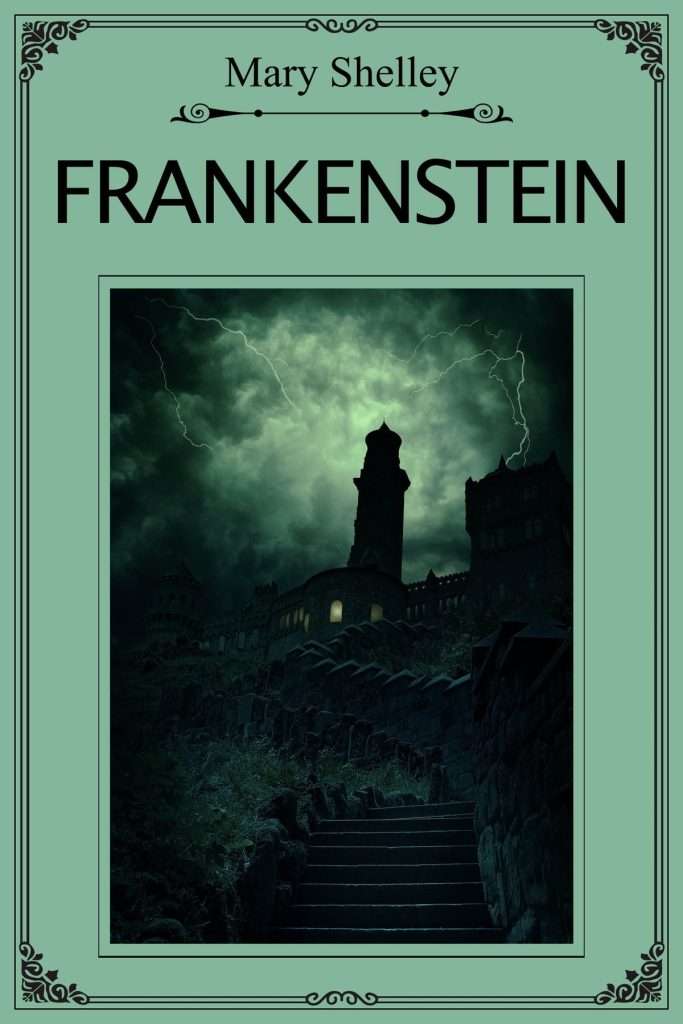
#3 Frankenstein by Mary Shelley
History of the Book and Author
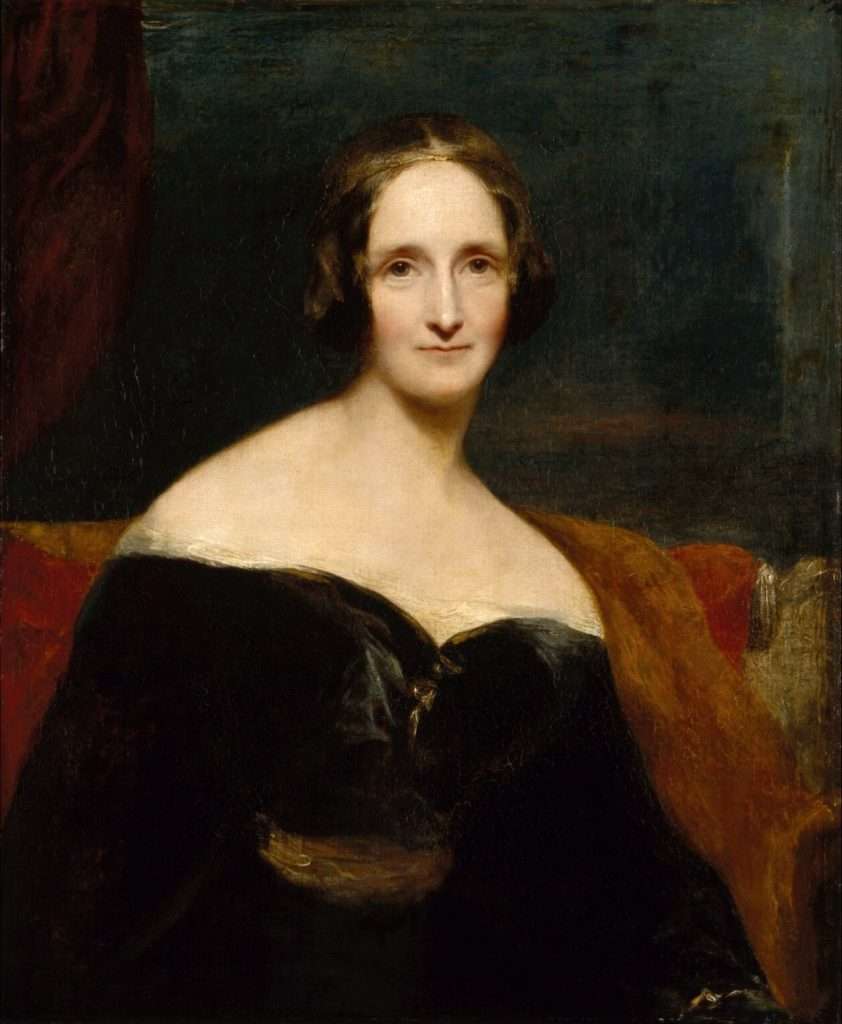
Mary Shelley’s Frankenstein is a literary treasure that has enthralled literature readers since its publication in 1818. The young Mary Shelley, just eighteen at the time, conceived the idea for Frankenstein during a fateful night of storytelling with her companions, including Percy Bysshe Shelley and Lord Byron, in Geneva, Switzerland.
When Frankenstein first hit the shelves, it garnered significant attention and praise from the world of classics. The novel’s exploration of science, morality, and the consequences of human ambition resonated with readers of literature. Moreover, the tragic tale of Victor Frankenstein and his creature tapped into universal fears and desires, ensuring its place in the annals of literature history.

#3 Frankenstein by Mary Shelley
(69 adaptations)
History of the Book and Author
Mary Shelley’s Frankenstein is a literary treasure that has enthralled literature readers since its publication in 1818. The young Mary Shelley, just eighteen at the time, conceived the idea for Frankenstein during a fateful night of storytelling with her companions, including Percy Bysshe Shelley and Lord Byron, in Geneva, Switzerland.
When Frankenstein first hit the shelves, it garnered significant attention and praise from the world of classics. The novel’s exploration of science, morality, and the consequences of human ambition resonated with readers of literature. Moreover, the tragic tale of Victor Frankenstein and his creature tapped into universal fears and desires, ensuring its place in the annals of literature history.

Reasons for the Book’s Multiple Adaptations
The timeless appeal of Frankenstein lies in its captivating storytelling, memorable characters, and evocative imagery, making it a favorite among those who appreciate classics. These qualities have made it a popular choice for adaptation across various mediums. Filmmakers are drawn to the rich tapestry of the book’s world and the opportunities it presents for visual storytelling, attracting not only moviegoers but also literature enthusiasts. The novel’s central themes of creation, responsibility, and the nature of humanity continue to be relevant and compelling to contemporary audiences, regardless of whether they are familiar with classic literature.

Reasons for the Book’s Multiple Adaptations
The timeless appeal of Frankenstein lies in its captivating storytelling, memorable characters, and evocative imagery, making it a favorite among those who appreciate classics. These qualities have made it a popular choice for adaptation across various mediums. Filmmakers are drawn to the rich tapestry of the book’s world and the opportunities it presents for visual storytelling, attracting not only moviegoers but also literature enthusiasts. The novel’s central themes of creation, responsibility, and the nature of humanity continue to be relevant and compelling to contemporary audiences, regardless of whether they are familiar with classic literature.

Classics to Film: Our Favorite Adaptations
Our personal favorite adaptations of Frankenstein have skillfully brought the essence of the book to life on the screen, delighting classics lovers and film enthusiasts alike. Among them is James Whale’s 1931 film “Frankenstein,” which introduced the iconic image of Boris Karloff as the misunderstood Creature.
Additionally, Kenneth Branagh’s 1994, “Mary Shelley’s Frankenstein,” masterfully adapted by Frank Darabont, offered a more faithful and emotionally complex portrayal of the source material, earning accolades from both literature critics and movie reviewers.
#2 Dracula by Bram Stoker
(91 adaptations)
History of the Book and Author
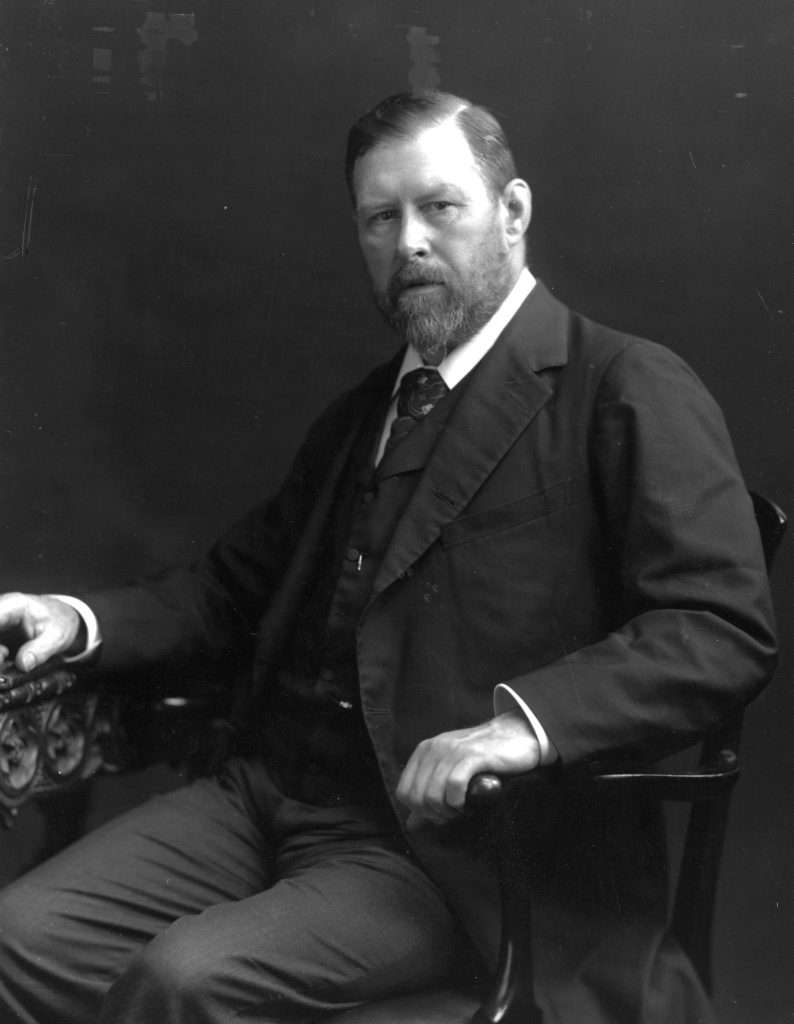
Bram Stoker’s Dracula is a literary gem that has captivated readers of classics for generations. Bram Stoker, an Irish author and theater manager, penned this Gothic horror novel in 1897. The inspiration for Dracula came from various sources, including Eastern European folklore, historical figures like Vlad the Impaler, and Stoker’s own vivid imagination, which he channeled into his literary work.
When Dracula was first published, it made a significant impact on the literary world, sparking discussions and debates among scholars of classics. Combining elements of horror, romance, and Victorian sensibilities, the novel stood out from other works of its time and earned its place in the canon of classic literature. Although it received mixed reviews initially, Dracula went on to become a cultural phenomenon, influencing countless vampire-themed stories in the years that followed, further cementing its status in the world of literature.

#2 Dracula by Bram Stoker
(25 adaptations)
History of the Book and Author
Bram Stoker’s Dracula is a literary gem that has captivated readers of literature for generations. Bram Stoker, an Irish author and theater manager, penned this Gothic horror novel in 1897. The inspiration for Dracula came from various sources, including Eastern European folklore, historical figures like Vlad the Impaler, and Stoker’s own vivid imagination, which he channeled into his literary work.
When Dracula was first published, it made a significant impact on the literary world, sparking discussions and debates among scholars of classics. Combining elements of horror, romance, and Victorian sensibilities, the novel stood out from other works of its time and earned its place in the canon of classic literature. Although it received mixed reviews initially, Dracula went on to become a cultural phenomenon, influencing countless vampire-themed stories in the years that followed, further cementing its status in the world of literature.

Reasons for the Book’s Multiple Adaptations
As the quintessential vampire tale, Dracula has left an enduring mark on the horror genre and popular literature culture. Its everlasting appeal can be attributed to the enigmatic character of Count Dracula, a symbol of both seduction and terror, which continues to captivate audiences, regardless of their usual literary preferences. Moreover, the novel’s exploration of timeless themes such as the struggle between good and evil, the fear of the unknown, and the allure of immortality resonates across generations, making it a significant contribution to world literature. Filmmakers have continually reimagined the vampire lord, ensuring that Dracula remains a timeless and evolving icon in both literature and cinematic history.

Reasons for the Book’s Multiple Adaptations
As the quintessential vampire tale, Dracula has left an enduring mark on the horror genre and popular literature culture. Its everlasting appeal can be attributed to the enigmatic character of Count Dracula, a symbol of both seduction and terror, which continues to captivate audiences, regardless of their usual literary preferences. Moreover, the novel’s exploration of timeless themes such as the struggle between good and evil, the fear of the unknown, and the allure of immortality resonates across generations, making it a significant contribution to world literature. Filmmakers have continually reimagined the vampire lord, ensuring that Dracula remains a timeless and evolving icon in both literature and cinematic history.

Literature to Film: Our Favorite Adaptations
Our personal favorite adaptations of Dracula have skillfully brought the essence of the book to life on the screen, appealing to literature enthusiasts and movie buffs alike. Among them is the 1931 film “Dracula,” featuring Bela Lugosi as the iconic Count. It set the standard for vampire portrayals in cinema and delighted both fans of literature and film.
Additionally, the 1992 film “Bram Stoker’s Dracula,” directed by Francis Ford Coppola, offered a visually stunning and more faithful adaptation that delved deeper into the novel’s themes of love, obsession, and redemption, earning praise from critics in both literature and the film industry.
#1 Sherlock Holmes by Sir Arthur Conan Doyle
(100 adaptations)
History of the Book and Author
Sir Arthur Conan Doyle’s Sherlock Holmes is a literary masterpiece that has enchanted readers of literature. To truly appreciate the significance of Sherlock Holmes in the world of literature, it is important to delve into the history of the book and gain insights into the life of Sir Arthur Conan Doyle, an accomplished writer and a man of letters. Sir Arthur Conan Doyle, born in 1859, was a Scottish writer and physician who contributed significantly to literature. He created the iconic character of Sherlock Holmes, a brilliant detective with unparalleled deductive reasoning and an unerring eye for detail, leaving an indelible mark on the landscape of detective literature.
When A Study in Scarlet, the first Sherlock Holmes novel, was published in 1887, it garnered immense popularity and critical acclaim among literature circles. The Victorian-era readers were captivated by the enigmatic detective and his loyal companion, Dr. John H. Watson, as they embarked on thrilling adventures that challenged the boundaries of literature and opened new vistas of imagination. Doyle’s vivid portrayal of Victorian London and his mastery in weaving intricate mysteries made the Sherlock Holmes series an instant success and a defining element of detective literature.

#1 Sherlock Holmes by Sir Arthur Conan Doyle
(52 adaptations)
History of the Book and Author
Sir Arthur Conan Doyle’s Sherlock Holmes is a literary masterpiece that has enchanted readers of literature. To truly appreciate the significance of Sherlock Holmes in the world of literature, it is important to delve into the history of the book and gain insights into the life of Sir Arthur Conan Doyle, an accomplished writer and a man of letters. Sir Arthur Conan Doyle, born in 1859, was a Scottish writer and physician who contributed significantly to literature. He created the iconic character of Sherlock Holmes, a brilliant detective with unparalleled deductive reasoning and an unerring eye for detail, leaving an indelible mark on the landscape of detective literature.
When A Study in Scarlet, the first Sherlock Holmes novel, was published in 1887, it garnered immense popularity and critical acclaim among literature circles. The Victorian-era readers were captivated by the enigmatic detective and his loyal companion, Dr. John H. Watson, as they embarked on thrilling adventures that challenged the boundaries of literature and opened new vistas of imagination. Doyle’s vivid portrayal of Victorian London and his mastery in weaving intricate mysteries made the Sherlock Holmes series an instant success and a defining element of detective literature.

Reasons for the Book’s Multiple Adaptations
Sherlock Holmes’ enduring allure can be attributed to its eternal themes, captivating characters, and enthralling narratives that have stood the test of time in literature. As a result, the beloved detective’s tales have been a prime choice for adaptation in various artistic mediums throughout the years, further expanding its influence beyond literature. The allure lies not only in the intriguing storylines but also in the opportunity they offer filmmakers to engage in visual storytelling, creating an immersive experience for both literature enthusiasts and moviegoers.
From faithful period pieces that transport audiences to the Victorian era to modern reinterpretations set in contemporary contexts, filmmakers have showcased the character’s enduring relevance and the boundless potential for creative exploration in both literature and the cinematic realm. Sherlock Holmes remains a timeless icon whose adaptability continues to captivate and entertain audiences worldwide, showcasing the unending appeal of classic literature to a diverse audience.

Reasons for the Book’s Multiple Adaptations
Sherlock Holmes’ enduring allure can be attributed to its eternal themes, captivating characters, and enthralling narratives that have stood the test of time in literature. As a result, the beloved detective’s tales have been a prime choice for adaptation in various artistic mediums throughout the years, further expanding its influence beyond literature. The allure lies not only in the intriguing storylines but also in the opportunity they offer filmmakers to engage in visual storytelling, creating an immersive experience for both literature enthusiasts and moviegoers.
From faithful period pieces that transport audiences to the Victorian era to modern reinterpretations set in contemporary contexts, filmmakers have showcased the character’s enduring relevance and the boundless potential for creative exploration in both literature and the cinematic realm. Sherlock Holmes remains a timeless icon whose adaptability continues to captivate and entertain audiences worldwide, showcasing the unending appeal of classic literature to a diverse audience.

Literature to Film: Our Favorite Adaptations
We have our own personal favorite adaptations that have truly captured the essence of the book, appealing to fans of literature and cinema alike. Among them are the classic Basil Rathbone films from the 1930s and 1940s, which brought the detective to life in a gripping and atmospheric manner, pleasing devotees of both Sherlock Holmes literature and classic movies.
Additionally, the modern-day adaptation “Sherlock” by Steven Moffat and Mark Gatiss, starring Benedict Cumberbatch as Sherlock Holmes and Martin Freeman as Dr. Watson, reimagines the detective in a contemporary setting, appealing to a new generation of viewers while staying true to the spirit of the original stories in literature.
Conclusion
Book adaptations possess an enduring magic that transcends the boundaries of literature and film, bridging the gap between different art forms and providing new avenues for creativity and interpretation. They allow stories to reach new audiences and offer fresh perspectives on beloved tales, showcasing the interplay between literature and the cinematic world. Through our exploration of Sherlock Holmes, Dracula, and Frankenstein, we have witnessed the power of adaptation to captivate and inspire, demonstrating the unifying force of literature and cinema. As we embark on future adaptations, let us celebrate the enduring legacy of these captivating tales and the profound impact they have on our imagination and culture, affirming the continued significance of literature in shaping our collective consciousness.
Find out how much fun it is to read with your kids by looking through our collection of classic children’s books that have been edited and illustrated just for kids. Our abridged versions of some of the most beloved books of all time are a great way to introduce kids to the world of classic literature authors and will widen your avid reader’s literary horizon. The beautiful illustrations and simple language in these classic books will captivate even the most reluctant readers and will help them develop a love of reading that will last a lifetime. Let’s start building a love of reading!


Find out how much fun it is to read with your kids by looking through our collection of classic children’s books that have been edited and illustrated just for kids. Our abridged versions of some of the most beloved books of all time are a great way to introduce kids to the world of classic literature authors and will widen your avid reader’s literary horizon. The beautiful illustrations and simple language in these classic books will captivate even the most reluctant readers and will help them develop a love of reading that will last a lifetime. Let’s start building a love of reading!