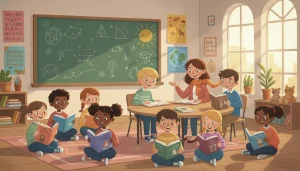
In the bustling world of education, where every day brings new adventures in learning, charter schools are turning the page to exciting possibilities with their innovative reading programs. Imagine a classroom where students eagerly dive into stories, their eyes lighting up with each turn of the page, outpacing their peers with newfound reading days that stretch their imaginations and boost their literacy skills. These charter students aren’t just learning to read. They’re building a lifelong love for books that can transform their educational journey.
So, how are these schools achieving this educational success? Join us as we explore the creative reading strategies that are fostering a love of reading and offering inspiration for educators dedicated to nurturing young bookworms.
Innovative Reading Programs in Charter Schools
Charter schools are paving the way with innovative reading programs that are reshaping the landscape of student literacy. Through creative teaching methods and tailored curricula, these schools are ensuring that students not only meet but exceed standard reading benchmarks.
Transforming Student Literacy
Charter schools are at the forefront of transforming student literacy through unique and engaging reading programs. These programs are designed to cater to individual student needs, allowing for a more personalized learning experience. By focusing on each student’s strengths and weaknesses, educators can better support their journey to literacy.
Moreover, Innovative Courses and Curriculum implemented in charter schools often include diverse reading materials that go beyond conventional textbooks. This variation keeps students engaged and helps them connect with the material on a deeper level.
Success in literacy isn’t just about reading words on a page. It’s about comprehension and the ability to think critically. These programs emphasize these skills, preparing students for real-world challenges. Charter schools are seeing remarkable improvements in student literacy rates, demonstrating the effectiveness of their innovative approach.

Strategies for Educational Success
To achieve educational success, charter schools employ several key strategies. One significant approach is the integration of technology in reading programs. With digital tools, students have access to a plethora of resources and interactive content that make learning more engaging.
1) Use of ebooks and audiobooks: These resources can accommodate different learning styles and preferences, ensuring all students have access to materials that resonate with them.
2) Incorporation of reading apps: These apps often include game-like elements that motivate students to read more.
3) Online discussion forums: Online forums facilitate peer discussions, encouraging students to share insights and enhance comprehension.
Global Student Network highlights how these strategies can be tailored to individual students, further enhancing their educational success. By focusing on technology and personalized learning, charter schools are setting the stage for students to thrive.
Fostering a Love of Reading
At the heart of these programs is the goal of fostering a love of reading. Charter schools are not just teaching students to read. They are cultivating lifelong lovers of literature. This section delves into how these institutions are achieving this vital educational goal.
Encouraging Lifelong Readers
Encouraging lifelong readers goes beyond the classroom. Charter schools are creating environments where students are excited to explore new worlds through books. This enthusiasm is crucial for developing a lifelong love of reading.
Incorporating Santa Maria College’s strategies, schools can create a culture that celebrates reading. These include:
4) Book clubs and reading groups: Allow students to share their favorite books and discover new ones.
5) Reading challenges: Make reading fun and competitive.
6) Author visits and book fairs: Bring the literary world to life for students.
By implementing these activities, schools ensure that reading is seen as a joyful and rewarding experience, encouraging students to become lifelong readers.

Reading Strategies for Charter Students
Charter students benefit from tailored reading strategies that meet their unique needs. By focusing on personalized instruction, charter schools ensure every student can thrive.
7) Individualized reading plans: These plans consider each student’s reading level and interests, ensuring they are engaged and challenged appropriately.
8) Diverse reading materials: Offering a range of genres and authors helps keep students interested and broadens their perspectives.
9) Regular assessments: These help track progress and identify areas where students may need additional support.
The Believe in Reading initiative emphasizes the importance of such strategies in fostering a love of reading. With the right approach, charter schools are creating confident and capable readers.
Insights for Educators
Educators looking to replicate the success of charter schools in their own classrooms will find valuable insights in the following section. From implementing successful programs to sharing success stories, the journey to fostering a love of reading is paved with practical guidance.
Implementing Successful Programs
Implementing successful reading programs requires careful planning and execution. Educators must consider various factors to ensure their programs are effective and sustainable.
10) Evaluate existing resources: Assess what is currently available and identify gaps.
11) Engage with stakeholders: Involve teachers, parents, and students in the planning process to gain diverse perspectives.
12) Pilot programs: Test new strategies on a small scale before full implementation.
Successful program implementation is a collaborative effort, as evidenced by Santa Maria College. By involving the entire school community, educators can create a supportive environment that nurtures student literacy.
Sharing Success Stories
Sharing success stories can inspire other educators to adopt similar strategies. Highlighting real-world examples of educational success demonstrates the tangible impact of innovative reading programs.
For instance, a charter school that significantly improved literacy rates by integrating technology and personalized learning plans saw:
- A 25% increase in reading proficiency.
- Enhanced student engagement and motivation.
- Improved overall academic performance.
Stories like these, supported by data from Global Student Network, offer hope and guidance to educators striving to foster a love of reading. By sharing these successes, charter schools can lead the way in transforming literacy for students everywhere.
Visual Learning Aids
Incorporating visual elements can significantly enhance the learning experience and foster a deeper engagement with reading. Charter schools are utilizing a variety of visual aids that cater to different learning styles and preferences, enhancing comprehension and retention among students.
13) Infographics and Illustrated Texts: These tools help break down complex information into digestible pieces, making it easier for students to understand and remember key concepts.
14) Story Visualization Techniques: Encouraging students to draw scenes from their readings or visualize characters and settings can deepen their connection to the material.
15) Graphic Novels and Visual Narratives: These are particularly effective for reluctant readers, offering a visually stimulating way to engage with stories and develop literacy skills.
By integrating these visual learning aids, charter schools are not just teaching students to read. They’re equipping them with the tools to visualize, interpret, and enjoy literature in diverse ways. This multifaceted approach supports the development of dynamic readers who can appreciate the richness of literature beyond the written word.