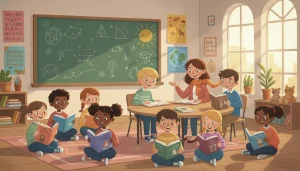
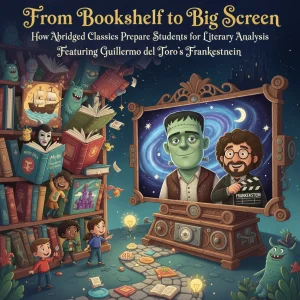
In today’s fast-paced world, balancing media consumption isn’t easy, but it’s vital. As parents, we all want our kids to grow up with the right balance of fun and learning, especially when it comes to media consumption. It’s like finding the perfect spot between enjoying a bowl of popcorn while watching a favorite show and getting lost in the pages of a good book.
With a positive reading list, you can steer your little ones toward stories that teach values and stir their imagination just as much as any screen time adventure. Whether it’s curling up with a classic or building a reading routine around shared family time, the goal is simple: to help children thrive by offering them enriching alternatives to digital entertainment. From classic literature for kids to themed reading nights, we’ll show you how to incorporate life lessons from literature into your child’s everyday routine, sparking a lifelong love of reading.
The Importance of Balancing Media Consumption and Reading for Young Children’s Development and Well-Being
Kids need a mix of fun and learning, with screens offering stimulation and books encouraging reflection, creativity, and emotional growth. Balancing media consumption with storytime creates a nurturing environment for mental and emotional development, helping children focus, empathize, and imagine. Combining literature and technology provides a well-rounded media experience, guiding children to grow with knowledge and compassion. As mentors, let’s ensure they have the right ingredients for growth. Grab a storybook, snuggle in, and foster a lifelong love for reading.
The Potential Harm of Excessive Screen Time and Social Media
Imagine giving your child unlimited access to a candy jar. It might seem fun at first, but too much candy causes issues. Similarly, excessive screen time, especially with social media, poses risks. Dr. Richard Wadsworth, a child psychiatrist, notes that limiting social media helps prevent depression and anxiety, which increase with more internet use. Watching curated social media feeds can make kids feel inadequate or lonely, fueling anxiety and depression. The rapid flow of digital content can also hurt attention spans and distract from offline tasks. While screens can offer incredible educational content and ways to connect, it’s essential to establish healthy boundaries. As with any indulgence, moderation is key. Balancing media consumption is essential.

Benefits of a Balanced Media Diet
That’s where balancing media consumption comes in. A balanced media diet includes both the best of technology and the timeless benefits of reading. When screen time is complemented by storytime, children gain exposure to different types of learning and expression.
Balancing media consumption promotes cognitive development and nurtures creativity. By mixing screen time with reading, children can learn to appreciate storytelling’s different forms. Screens offer visual stimulation, while books engage the imagination on a deeper level.
For example, a child watching an animated story might understand the plot visually. Reading a book on the same topic can help them explore characters’ thoughts and motives. This dual approach leads to a richer understanding.
- Enhanced Imagination: Books encourage kids to visualize characters and settings.
- Improved Focus: Reading requires concentration, which can balance the fast pace of digital media.
- Language Skills: Books expand vocabulary in ways that screens can’t always match.
Ultimately, balancing media consumption supports social skills and empathy. Children can learn to empathize with characters in stories and apply these lessons in real life.
#1 The Role of Classic Literature for Kids
To deepen the benefits of storytime, classic literature plays a powerful role. These are the stories that have stood the test of time—tales that not only entertain, but also instill values that shape character and spark imagination.

Classics like Heidi and A Christmas Carol from our Classic Books for All collection offer more than just narratives—they offer lessons in empathy, resilience, and creativity. These timeless works challenge children to think critically, examine moral choices, and view life through different perspectives.
- Empathy: Classic tales often feature characters facing moral dilemmas, fostering emotional insight and compassion.
- Resilience: Stories of overcoming hardship encourage perseverance and determination.
- Creativity: Rich language and imaginative plots open the door to boundless mental exploration.
Incorporating these stories into your child’s reading routine not only builds literacy, but also a deeper appreciation for human experiences across cultures and eras. This bridge between past and present literature lays the groundwork for a lasting love of reading and a richer understanding of the world.
Building a Positive Reading List
A positive reading list is a treasure chest of stories that impart valuable life lessons. Curating such a list requires thoughtful selection of books that align with your family’s values and educational goals.
#2 Choosing Stories That Teach Values
Choosing stories that teach values is crucial for building character in children. Books that emphasize kindness, honesty, and perseverance help mold young minds.
When selecting books, consider themes that resonate with your child’s experiences. Stories where characters face and overcome challenges can be particularly powerful.
- Kindness: Books with themes of kindness encourage empathy.
- Honesty: Stories that highlight honesty teach integrity.
- Perseverance: Tales of perseverance inspire determination.
Books like Charlotte’s Web and The Little Prince are excellent choices. These stories not only entertain but also impart wisdom and encourage self-reflection.
Tips for Themed Reading Nights
Themed reading nights can make storytime an exciting adventure. By aligning books with themes, you can create an immersive experience that encourages engagement and learning.
- Pick a Theme: Choose a theme that interests your child, like space or animals.
- Select Books: Curate a selection of books around the theme.
- Create an Atmosphere: Set up a cozy reading nook with related decorations.
- Discuss: After reading, talk about the story’s themes and lessons.
Encourage your child to express their thoughts and emotions about the books. This dialogue reinforces the lessons learned and enhances their understanding.
For even more inspiration, check out this video from Lauren and the Books, where she shares how to host a Cosy Reading Night—a relaxing, themed reading session full of comfort, snacks, and atmosphere. Lauren offers practical tips for turning a few hours into a screen-free, story-filled ritual your whole family can enjoy. Whether it’s creating the right ambiance, picking the perfect comfy clothes, or choosing easy snacks to keep the pages turning, her approach brings the joy of reading to life in a modern, family-friendly way.
Balancing Media Consumption With Parenting Reading Strategies
Developing effective parenting reading strategies can make a significant difference in your child’s learning journey. Implementing these strategies into daily life fosters a love for reading and builds literacy skills.
#3 Practical Tips for Daily Integration
Integrating reading into daily life doesn’t have to be a chore. By making it a natural part of your routine, you can cultivate a lifelong habit in your child.
- Bedtime Stories: End the day with a calming bedtime story.
- Reading Nooks: Create a special spot for reading with comfortable seating and good lighting.
- Model Reading: Let your child see you reading for pleasure.
Incorporate reading into everyday activities, like cooking with a recipe book or researching a topic of interest together online. This makes reading relevant and fun.

#4 Encouraging Empathy in Children Through Stories
Reading stories is a powerful way to encourage empathy in children. Through books, kids can experience the world from different perspectives, helping them understand and connect with others.
For instance, a story about a young protagonist dealing with loss can open discussions about grief and support. This helps children develop compassion and emotional intelligence.
- Discuss Characters: Talk about characters’ feelings and motivations.
- Relate to Real Life: Connect story lessons to real-world situations.
- Practice Empathy:pa Encourage your child to think about how they would feel in the characters’ shoes.
By fostering empathy through storytelling, you’re equipping your child with the tools to navigate social situations with kindness and understanding.