Introduction
As parents, having reluctant readers on your hands can be stressful. After all, one of the greatest gifts you can offer your child is a love for reading. Reading isn’t just a skill that helps children excel academically—it opens doors to new worlds, enhances creativity, builds critical thinking, and improves language abilities. But fostering a love for books in today’s digital age can be challenging. How do you compete with the allure of screens, games, and social media? Fortunately, there are numerous resources available to help parents encourage reluctant readers.
In this blog, we’ll explore 20 different resources—ranging from websites, apps, and tools, to programs, books, and strategies—that you can use to ignite your child’s love for reading.
1. Why Reading is Essential for Children’s Development
Before diving into resources, it’s important to understand why reading is critical. Reading develops:
- Cognitive Skills: Reading helps children learn to think critically and solve problems.
- Language Skills: Reading improves vocabulary, grammar, and understanding of sentence structure.
- Empathy: Developing empathy through stories is particularly beneficial for reluctant readers, as it helps them connect emotionally with characters.
- Creativity: Reading sparks imagination, encouraging children to create their own stories and ideas.
- Academic Success: Studies show that children who read regularly tend to perform better in school.

2. Creating a Reading-Friendly Environment at Home
The journey towards making reading enjoyable for your child starts at home. Here are some strategies:
- Get cozy: Creating a cozy, distraction-free reading nook can help reluctant readers focus and engage more easily with books.
- Set an example: Let your children see you reading regularly. Kids tend to mimic their parents’ behavior.
- Have a variety of books: Keep a diverse range of books, including fiction, non-fiction, picture books, and chapter books, at home.
3. Reading Programs and Libraries
Local libraries and schools offer many free or low-cost reading programs for children of all ages. Here are some programs to explore:
- Scholastic Reading Club: This program offers affordable books through schools, often with special deals and rewards for students who read more.
- Summer Reading Programs: Many libraries offer incentives like reading logs and prizes for children who participate in summer reading challenges.
- Imagination Library: Founded by Dolly Parton, this program mails free books to children from birth to age five, helping young kids build their own home libraries.
Tip: Visit your local library regularly to participate in storytime sessions or reading groups.
4. Digital Reading Apps and Websites
Many apps, such as Epic! and Raz-Kids, are designed to appeal to reluctant readers with interactive features and personalized content. Here are some of the best apps and websites:
- Epic!: A digital library for kids under 12, Epic! offers over 40,000 books, audiobooks, and educational videos.
- Storyline Online:This website features actors reading children’s books aloud, complete with animations.
- Raz-Kids: Perfect for younger readers, this platform provides leveled reading and interactive quizzes to encourage progress.
- Amazon Kindle: The Kindle app offers thousands of eBooks, with many children’s books available for free or at low cost.
- TumbleBook Library: An online collection of animated, talking picture books, perfect for early readers.
5. Audiobooks for Kids
Audiobooks are a great way to introduce stories to reluctant readers who may find traditional reading formats challenging. Listening to audiobooks can help children improve their vocabulary, comprehension, and pronunciation.
- Audible: Offers a large collection of audiobooks for kids, including free titles.
- Libby: Connects to your local library’s audiobook collection, allowing you to borrow audiobooks for free.
- Storynory: A website that offers free audio stories for kids, ranging from fairy tales to educational tales.
Listening to a story can also provide a bonding experience when enjoyed together during car rides or bedtime.
6. Book Subscription Services
For a more personalized reading experience, subscription boxes deliver hand-picked books right to your door. Some great options include:
- OwlCrate Jr.: A monthly subscription box designed for readers aged 8-12, offering curated books and themed goodies.
- BookRoo: Geared toward younger readers, BookRoo sends age-appropriate board books, picture books, or chapter books each month.
- Little Feminist: A diverse book subscription that focuses on stories with strong female characters, perfect for teaching kids about representation and equality.
These boxes make reading feel like an exciting gift that children will look forward to each month.
7. Interactive Reading Tools
Interactive reading tools add an extra element of fun to reading and can help reluctant readers stay engaged. Some great options are:
- LeapFrog LeapReader: A pen that reads along with LeapReader books, helping children learn to sound out words and read fluently.
- Osmo Reading Adventure: An interactive reading tool that combines physical books and a digital app, designed to help young readers from ages 5-7 develop reading skills.
- Hooked on Phonics: A long-standing tool that offers both physical and digital resources to help children master phonics through engaging lessons.
These tools can serve as excellent supplements to traditional reading.
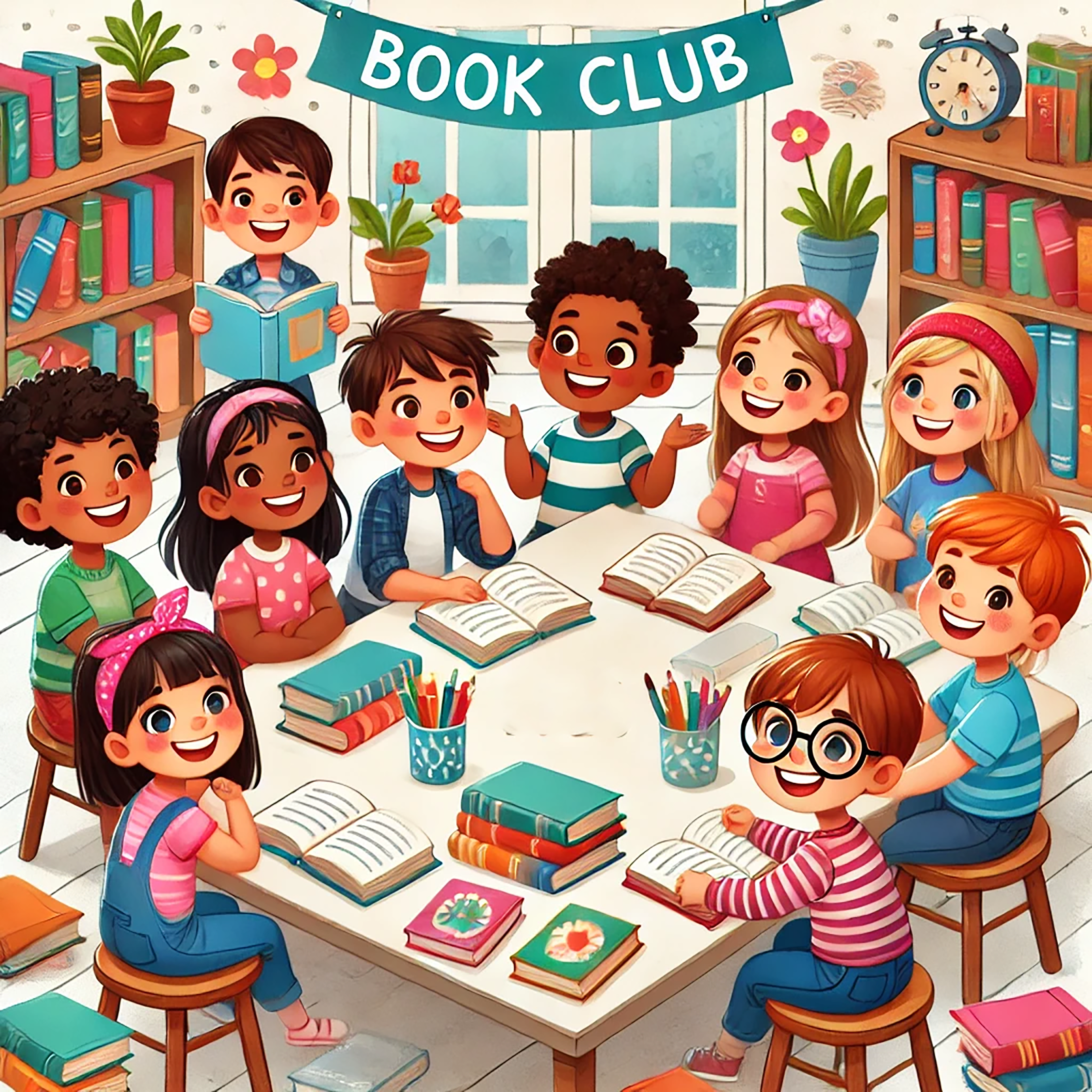
8. Book Clubs for Kids
Joining a book club can motivate reluctant readers by adding a social element to reading, making it more fun and less intimidating. Here are some options:
- Pizza Hut’s BOOK IT! Program: In partnership with schools, this program rewards kids for reading by giving them free pizzas.
- Barnes & Noble Book Club: This club offers reading challenges and discussions for kids and teens, often with exclusive editions of popular books.
- Girls Who Code Book Club: Encourages girls to engage with STEM-related stories and develop a love for both coding and reading.
Starting a book club at home with friends or family members can also be a fun way to foster a love for reading.

9. Reading Challenges and Competitions
Reading challenges provide an excellent way to engage reluctant readers by turning reading into a game or competition:
- Reading Olympics: Schools and libraries often host “Reading Olympics,” where children can compete to read the most books in a set time period.
- Read Across America: Celebrated in schools across the U.S., this annual event encourages children to read a book in every genre and participate in themed reading challenges.
- Goodreads Reading Challenge: While primarily for older kids and teens, this challenge allows readers to set a goal for how many books they want to read in a year and track their progress.
Creating family reading competitions at home can also encourage children to dive into books with enthusiasm.

10. Popular Book Series for Children
Sometimes all it takes to get children hooked on reading is to find the right book series. Here are some popular options:
- Magic Tree House by Mary Pope Osborne: A series that combines history and adventure.
- Harry Potter by J.K. Rowling: The beloved series that has inspired millions of children to fall in love with reading.
- Diary of a Wimpy Kid by Jeff Kinney: Series like Diary of a Wimpy Kid are particularly appealing to reluctant readers due to their humor and relatable characters.
Introducing your child to a series ensures they’ll have plenty of books to look forward to as they progress.
11. Picture Books for Early Readers
Picture books are a great resource for young readers, blending vibrant illustrations with simple yet engaging text. Some beloved picture books include:
- The Very Hungry Caterpillar by Eric Carle
- Where the Wild Things Are by Maurice Sendak
- Good night Moon by Margaret Wise Brown
Picture books are especially useful for building early literacy skills, as children can use the illustrations to help decode the story.
12. Graphic Novels for Reluctant Readers
Graphic novels are perfect for reluctant readers, as the visual elements complement the text, making the reading experience more accessible.
- Dog Man by Dav Pilkey
- Amulet by Kazu Kibuishi
- The Babysitters Club Graphic Novels by Ann M. Martin (adapted by Raina Telgemeier)
Graphic novels not only provide visual stimulation but also improve reading comprehension through the integration of text and imagery.
13. Classic Literature for Reluctant Readers
Classic children’s literature offers timeless stories with universal themes. Abridged versions of classics like Frankenstein and Treasure Island from Classic Books for All can help reluctant readers engage with rich language and storytelling traditions, making these beloved books more accessible and enjoyable. These adaptations offer easier reading and colorful illustrations, fostering an appreciation for literature while building reading confidence.
14. DIY Reading Activities for Parents
Interactive activities like “Story Starters” are great for reluctant readers, as they allow children to create their own narratives. Some ideas include:
- Create a reading bingo: Make a bingo card with different types of books (fantasy, non-fiction, poetry), and encourage your child to complete a row.
- Story Starters: Write the beginning of a story and let your child finish it, sparking creativity and imagination.
- Character Role-Play: After reading a book, encourage your child to act out scenes or imagine what might happen next in the story.
These activities make reading a hands-on, interactive experience that’s hard to resist.
15. Reading with a Purpose: Integrating Reading with Life Skills
Reading doesn’t have to be confined to books. Teach your child to read by integrating it into daily life. Here are some ideas:
- Cooking together: Read recipes and cook with your child, teaching them to follow instructions and understand measurements.
- Treasure hunts: Create a scavenger hunt with written clues to encourage your child to read and solve puzzles.
- Journaling: Encourage your child to keep a journal where they can write and read their own thoughts.
These activities make reading purposeful, showing children that reading is a life skill, not just a school subject.
16. Resources for Children with Learning Disabilities
For children with learning disabilities like dyslexia, reading can be especially challenging. Luckily, there are resources designed to help:
- Learning Ally: A platform that provides audiobooks and resources for children with dyslexia.
- Bookshare: Offers free digital books to children with qualifying reading disabilities.
- Nessy Learning: A series of fun, interactive games designed to help children with dyslexia improve their reading skills.
These tools can ensure that all children, regardless of learning ability, have the chance to enjoy reading.
17. Multilingual and Culturally Diverse Reading Resources
It’s important for children to see themselves represented in the books they read. Diverse books introduce kids to different cultures, perspectives, and ideas.
- We Need Diverse Books: A nonprofit organization that promotes literature reflecting diverse backgrounds and identities.
- Multicultural Children’s Book Day: A national event that highlights diverse books and offers free resources for parents and teachers.
- Bilingual Books: Books in both English and another language (such as Spanish) can help bilingual children improve their literacy skills in both languages.
Representation in literature fosters empathy and builds a more inclusive worldview for young readers.
18. Educational TV Shows That Encourage Reading
TV shows can also play a role in promoting reading, especially when they are designed with literacy in mind:
- Reading Rainbow: A beloved show where books are read aloud, featuring real-world segments tied to the themes of the stories.
- Super Why!: A PBS show that teaches early reading skills through interactive storytelling.
- WordWorld: A series in which characters formed from letters go on adventures that emphasize spelling and reading comprehension.
Though screen time should be moderated, educational shows can serve as supplemental tools for early readers.

19. Tips to Overcome Reading Resistance
If your child resists reading, don’t give up! Here are a few strategies to overcome common barriers:
- Let them choose: Allow your child to pick books that genuinely interest them, even if they’re not “classic literature.”
- Start small: Starting with shorter, simpler books can help reluctant readers build confidence and slowly develop a love for reading.
- Read together: Taking turns reading aloud with your child can make the experience more enjoyable and less intimidating.
Sometimes, the key is simply finding the right type of book or creating a no-pressure environment where reading is seen as a fun activity rather than a chore.
20. Final Thoughts
Encouraging children to read is one of the most valuable gifts you can give them. With so many resources at your disposal—from traditional books and libraries to digital apps, audiobooks, and interactive tools—there’s something to spark every child’s interest in reading.
By creating a supportive reading environment, providing a variety of materials, and using creative activities to make reading fun, you can help your child develop a lifelong love of books that will benefit them for years to come.