A Christmas Carol, Crime and Punishment, and The Three Musketeers
Welcome back to our exciting new blog series, Great Book to Movie Adaptations: Exploring the Top 15 Most Adapted Books! Get ready to dive into the world of literature and cinema as we embark on a thrilling countdown of the most beloved books that have made their way to the small and big screens.
In each blog post in this series, we will present three remarkable books, unraveling their journey from the written word to captivating visual storytelling. From timeless classics to contemporary gems, these adaptations have left an indelible mark on popular culture, capturing the hearts and minds of audiences around the globe.
Introduction
In this latest installment, we will delve into the movie adaptations of three literary classics: A Christmas Carol by Charles Dickens, Crime and Punishment by Fyodor Dostoevsky, and The Three Musketeers by Alexandre Dumas. These books have left an indelible mark on literature and continue to inspire filmmakers, playwrights, and artists across various mediums. Join us as we discover the fascinating mark these have made on the history of film and literature and explore why they have been adapted so many times.
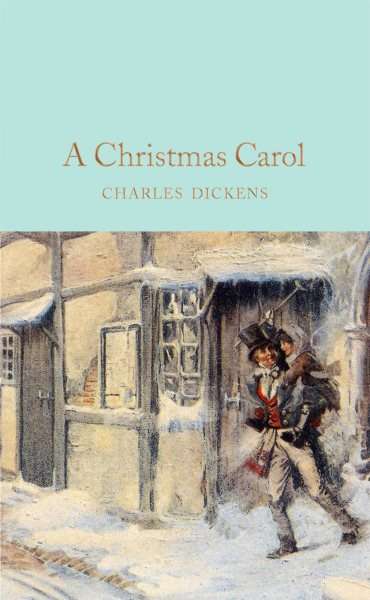
#9: A Christmas Carol by Charles Dickens
(48 adaptations)
History of the Book and Author
Charles Dickens created a literary masterpiece with A Christmas Carol, which has made a lasting impression on the field of film and literature. To truly appreciate the significance of this timeless tale, it is important to delve into the history of the book and gain insights into the life of Charles Dickens.
Dickens, a renowned Victorian novelist, crafted a heartwarming story that has become synonymous with the spirit of Christmas and the importance of compassion and generosity. When A Christmas Carol was first published in 1843, it garnered immense popularity and critical acclaim. The story of Ebenezer Scrooge’s redemption and transformation struck a chord with readers, resonating with its themes of redemption, love, and the joy of giving. Dickens’s vivid descriptions of Victorian London during the holiday season transported readers to a rich and atmospheric world.

#9: A Christmas Carol by Charles Dickens
(48 adaptations)
History of the Book and Author
Charles Dickens created a literary masterpiece with A Christmas Carol, which has made a lasting impression on the field of film and literature. To truly appreciate the significance of this timeless tale, it is important to delve into the history of the book and gain insights into the life of Charles Dickens.
Dickens, a renowned Victorian novelist, crafted a heartwarming story that has become synonymous with the spirit of Christmas and the importance of compassion and generosity. When A Christmas Carol was first published in 1843, it garnered immense popularity and critical acclaim. The story of Ebenezer Scrooge’s redemption and transformation struck a chord with readers, resonating with its themes of redemption, love, and the joy of giving. Dickens’s vivid descriptions of Victorian London during the holiday season transported readers to a rich and atmospheric world.

Reasons for the Book’s Multiple Adaptations
A Christmas Carol has been adapted numerous times across various media, including stage, screen, and television. The enduring appeal of this novella lies in its universal themes and iconic characters. The heartwarming tale of Scrooge’s redemption and the message of kindness and charity have continued to resonate with audiences of all ages and cultures.
The popularity of A Christmas Carol as both film and literature is evident in the vast number of adaptations it has inspired. Filmmakers and writers are drawn to the emotional depth of the story and the powerful transformation of its central character, Scrooge. The book’s universality and ability to connect with audiences from different backgrounds have resulted in its continued adaptation in various artistic forms.

Reasons for the Book’s Multiple Adaptations
A Christmas Carol has been adapted numerous times across various media, including stage, screen, and television. The enduring appeal of this novella lies in its universal themes and iconic characters. The heartwarming tale of Scrooge’s redemption and the message of kindness and charity have continued to resonate with audiences of all ages and cultures.
The popularity of A Christmas Carol as both film and literature is evident in the vast number of adaptations it has inspired. Filmmakers and writers are drawn to the emotional depth of the story and the powerful transformation of its central character, Scrooge. The book’s universality and ability to connect with audiences from different backgrounds have resulted in its continued adaptation in various artistic forms.

Film and Literature: Our Favorite Adaptations
As avid fans of A Christmas Carol, we have our own personal favorite adaptations that have truly captured the essence of the book.
One notable film adaptation that stands out is the 1984 version, directed by Clive Donner. This adaptation stars George C. Scott as the iconic Ebenezer Scrooge. Scott’s powerful portrayal of the miserly Scrooge and his transformation into a kind-hearted man has made this version a holiday classic. The film successfully captures the spirit of the original literature and brings Dickens’s characters to life on the screen.
Another adaptation that deserves recognition is the 2009 animated version directed by Robert Zemeckis. It takes a unique approach with motion-capture technology. Jim Carrey lends his voice to multiple roles, including Ebenezer Scrooge. The film’s visually stunning portrayal of the ghostly apparitions and the timeless message of redemption make it a visually captivating and emotionally impactful adaptation.
From classic black-and-white films to modern animated versions, each adaptation brings something special to the story. Whether it’s the iconic portrayal of Scrooge by actors like George C. Scott or the heartfelt animation that brings Dickens’s characters to life, these adaptations have become cherished holiday traditions for many.
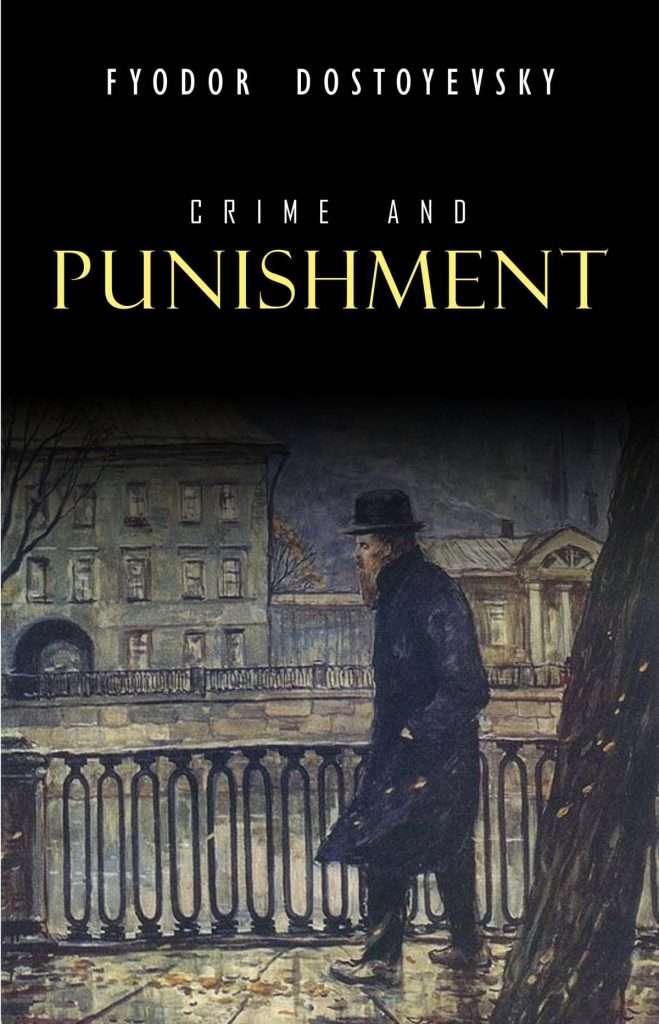
#8: Crime and Punishment by Fyodor Dostoevsky
(39 adaptations)
History of the Book and Author
Crime and Punishment, penned by Fyodor Dostoevsky, is a literary gem that has captivated readers for generations. The history of this novel and the life of Fyodor Dostoevsky provide valuable insights into the context in which the book was written. Dostoevsky, a Russian literary giant, delved into the complexities of the human psyche and the moral dilemmas faced by the characters in Crime and Punishment.
When Crime and Punishment was first published in 1866, it made a significant impact on the world of film and literature. The psychological depth of the protagonist, Raskolnikov, and the exploration of guilt, redemption, and the nature of evil set this novel apart as a profound and thought-provoking work.

#8: Crime and Punishment by Fyodor Dostoevsky
(39 adaptations)
History of the Book and Author
Crime and Punishment, penned by Fyodor Dostoevsky, is a literary gem that has captivated readers for generations. The history of this novel and the life of Fyodor Dostoevsky provide valuable insights into the context in which the book was written. Dostoevsky, a Russian literary giant, delved into the complexities of the human psyche and the moral dilemmas faced by the characters in Crime and Punishment.
When Crime and Punishment was first published in 1866, it made a significant impact on the world of film and literature. The psychological depth of the protagonist, Raskolnikov, and the exploration of guilt, redemption, and the nature of evil set this novel apart as a profound and thought-provoking work.

Reasons for the Book’s Multiple Adaptations
Crime and Punishment has inspired numerous adaptations due to its timeless exploration of human nature and its intricate character development. Filmmakers and playwrights are drawn to the intensity of the story, which delves into the darker aspects of the human soul and the complexities of morality. The inner turmoil of Raskolnikov and the cat-and-mouse game with the investigator, Porfiry Petrovich, offer rich material for adaptation.
The enduring fascination with Crime and Punishment in both film and literature lies in the complexity and depth of its characters. The novel’s exploration of guilt, redemption, and the human psyche provides ample material for filmmakers and writers to delve into and adapt for different audiences and contexts.

Reasons for the Book’s Multiple Adaptations
Crime and Punishment has inspired numerous adaptations due to its timeless exploration of human nature and its intricate character development. Filmmakers and playwrights are drawn to the intensity of the story, which delves into the darker aspects of the human soul and the complexities of morality. The inner turmoil of Raskolnikov and the cat-and-mouse game with the investigator, Porfiry Petrovich, offer rich material for adaptation.
The enduring fascination with Crime and Punishment in both film and literature lies in the complexity and depth of its characters. The novel’s exploration of guilt, redemption, and the human psyche provides ample material for filmmakers and writers to delve into and adapt for different audiences and contexts.

Film and Literature: Our Favorite Adaptations
Our personal favorite adaptations of Crime and Punishment have skillfully brought the essence of the novel to the screen and stage. From powerful performances by actors portraying Raskolnikov’s internal struggles to atmospheric depictions of St. Petersburg, each adaptation captures the essence of Dostoevsky’s masterpiece.
One notable adaptation is the 2002 version directed by Menahem Golan. This modern adaptation offers a fresh take on Dostoevsky’s psychological thriller. Crispin Glover delivers a compelling performance as Raskolnikov, delving into the depths of the tormented character’s mind. The film’s dark and gritty atmosphere intensifies the gripping narrative and highlights the ethical dilemmas faced by the protagonist.
Another adaptation worth mentioning is the 1970 Soviet adaptation directed by Lev Kulidzhanov. It stays true to the spirit of Dostoevsky’s novel. Georgi Taratorkin delivers a powerful performance as Raskolnikov, bringing the internal struggles of the character to life. The film’s stark depiction of St. Petersburg’s slums and the moral dilemma faced by the protagonist add to its authenticity and emotional depth.
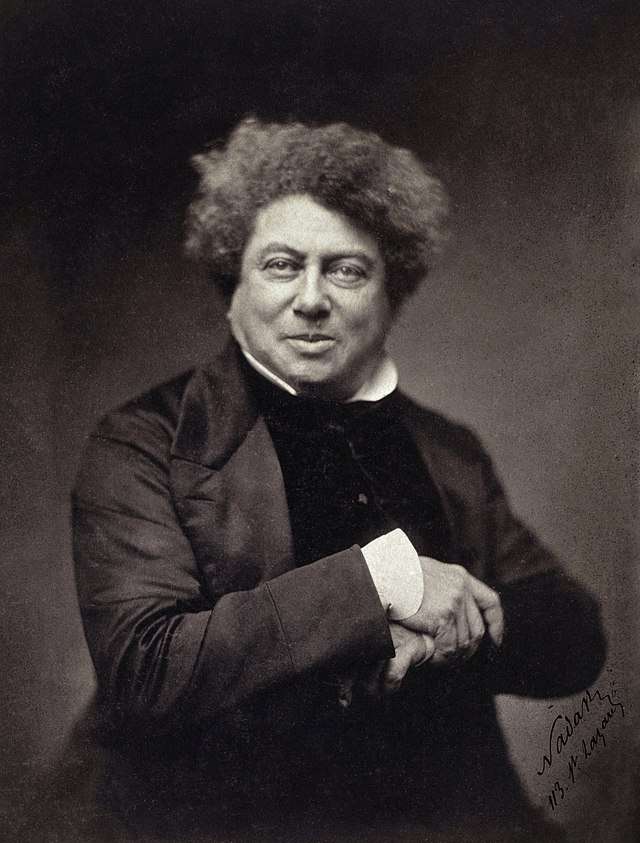
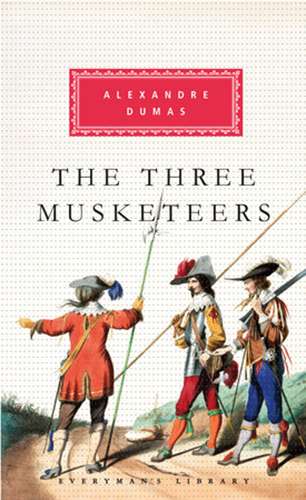
#7: The Three Musketeers by Alexandre Dumas
(45 adaptations)
History of the Book and Author
The Three Musketeers, written by Alexandre Dumas, is a literary treasure that has enthralled readers since its publication. Understanding the historical context of this swashbuckling adventure and the life of Alexandre Dumas adds depth to the appreciation of the book. Dumas, a French author, created a tale of honor, friendship, and daring escapades set in 17th-century France.
When The Three Musketeers first hit the shelves in 1844, it garnered significant attention and praise. The camaraderie of the musketeers—Athos, Porthos, Aramis, and d’Artagnan—and their escapades in the service of the king have made this historical novel a beloved classic.

#7: The Three Musketeers by Alexandre Dumas
(45 adaptations)
History of the Book and Author
The Three Musketeers, written by Alexandre Dumas, is a literary treasure that has enthralled readers since its publication. Understanding the historical context of this swashbuckling adventure and the life of Alexandre Dumas adds depth to the appreciation of the book. Dumas, a French author, created a tale of honor, friendship, and daring escapades set in 17th-century France.
When The Three Musketeers first hit the shelves in 1844, it garnered significant attention and praise. The camaraderie of the musketeers—Athos, Porthos, Aramis, and d’Artagnan—and their escapades in the service of the king have made this historical novel a beloved classic.

Reasons for the Book’s Multiple Adaptations
The timeless appeal of The Three Musketeers lies in its swashbuckling action, memorable characters, and themes of loyalty and honor. These qualities have made it a popular choice for adaptation across various mediums. Filmmakers are drawn to the daring exploits of the musketeers and the rich historical backdrop of 17th-century France.
The Three Musketeers has not only thrived in the realm of literature but has also found a prominent place in the world of film and other visual media. The story’s adventurous spirit, memorable characters, and themes of loyalty and bravery translate well to the screen, making it a compelling choice for filmmakers seeking to bring this thrilling tale to life.

Reasons for the Book’s Multiple Adaptations
The timeless appeal of The Three Musketeers lies in its swashbuckling action, memorable characters, and themes of loyalty and honor. These qualities have made it a popular choice for adaptation across various mediums. Filmmakers are drawn to the daring exploits of the musketeers and the rich historical backdrop of 17th-century France.
The Three Musketeers has not only thrived in the realm of literature but has also found a prominent place in the world of film and other visual media. The story’s adventurous spirit, memorable characters, and themes of loyalty and bravery translate well to the screen, making it a compelling choice for filmmakers seeking to bring this thrilling tale to life.

Film and Literature: Our Favorite Adaptations
Our personal favorite adaptations of The Three Musketeers have successfully brought the essence of the book to life on the screen and stage. From classic films to modern retellings, each adaptation captures the excitement and camaraderie of the musketeers. The charismatic portrayals of the musketeers and their thrilling swordplay make these adaptations a joy to watch.
One of our top picks is the 1993 version directed by Stephen Herek. This swashbuckling adventure features an ensemble cast led by Chris O’Donnell as d’Artagnan, Kiefer Sutherland as Athos, Charlie Sheen as Aramis, and Oliver Platt as Porthos. The film infuses humor and action into Dumas’s classic tale, making it an entertaining and action-packed adaptation for modern audiences.
Additionally, the 1948 version directed by George Sidney deserves special mention. This was the first Hollywood movie to adapt the whole storyline of Alexandre Dumas’ novel. The previous, and many of the later, movie adaptations only adapted the first half of the novel. The film’s faithful depiction of the musketeers’ daring adventures and the opulent setting of 17th-century France transports viewers into a world of intrigue and heroism.
Conclusion
Book adaptations possess an enduring magic that transcends the boundaries of film and literature. They allow stories to reach new audiences and offer fresh perspectives on beloved tales. Through our exploration of A Christmas Carol, Crime and Punishment, and The Three Musketeers, we have witnessed the power of adaptation to captivate and inspire. We encourage readers to delve into these books and their adaptations to experience the enduring magic for themselves.
As we conclude this installment of our blog series, we invite you to explore these timeless classics in their original literary form and experience the magic that has inspired countless adaptations across the years. These books have left an indelible mark on literature and popular culture, capturing the hearts and imaginations of generations, and will continue to do so for years to come. Stay tuned for the next chapter in our exploration of the enduring magic of book adaptations!
Find out how much fun it is to read with your kids by looking through our collection of classic children’s books that have been edited and illustrated just for kids. Our abridged versions of some of the most beloved books of all time are a great way to introduce kids to the world of classic literature authors and will widen your avid reader’s literary horizon. The beautiful illustrations and simple language in these classic books will captivate even the most reluctant readers and will help them develop a love of reading that will last a lifetime. Let’s start building a love of reading!


Find out how much fun it is to read with your kids by looking through our collection of classic children’s books that have been edited and illustrated just for kids. Our abridged versions of some of the most beloved books of all time are a great way to introduce kids to the world of classic literature authors and will widen your avid reader’s literary horizon. The beautiful illustrations and simple language in these classic books will captivate even the most reluctant readers and will help them develop a love of reading that will last a lifetime. Let’s start building a love of reading!